 +61 9555 7955
What Does EI Look Like in the Construction and Engineering Industry?
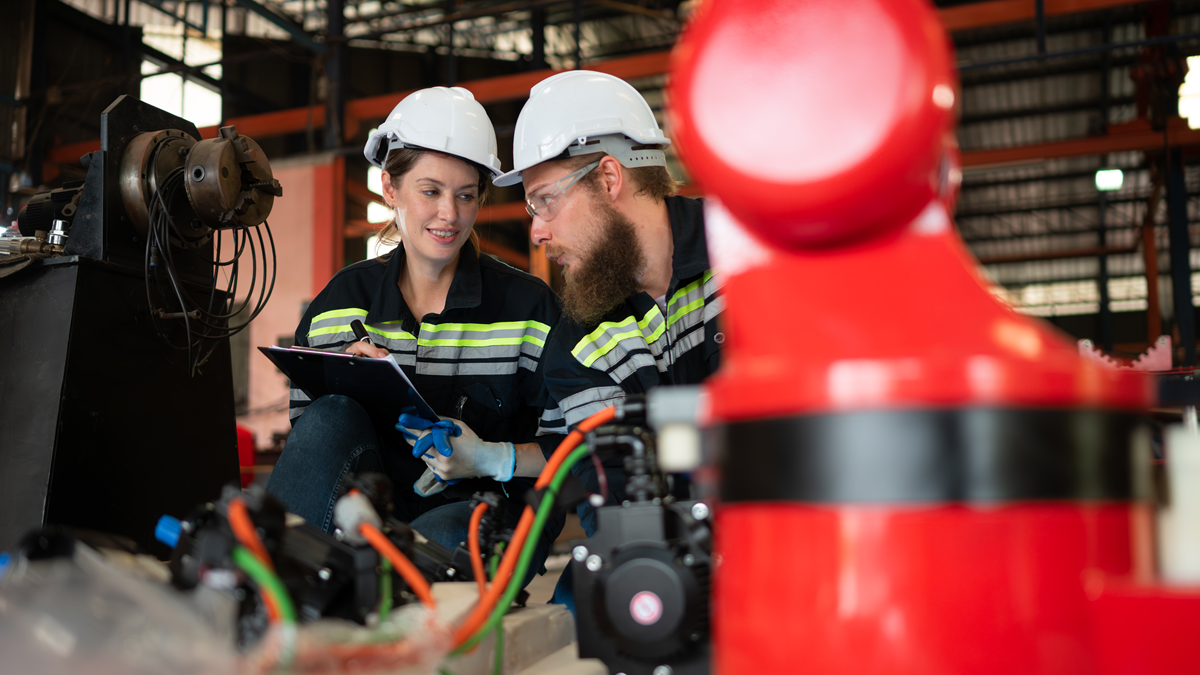
In different industries and occupations, some components of Emotional Intelligence (EI) may show up more strongly than others.
Multi-Health Systems (MHS), a globally recognised leader in scientifically validated psychological and behavioural assessments. From January 2020 to March 2022, they collected data from customers using the EQ-i 2.0® emotional intelligence assessment within specific industries. These were scored using a global professional normative sample (score of 100 represents the average score for professionals around the world).
Here are the highest and lowest subscales from the Construction and Engineering industry.
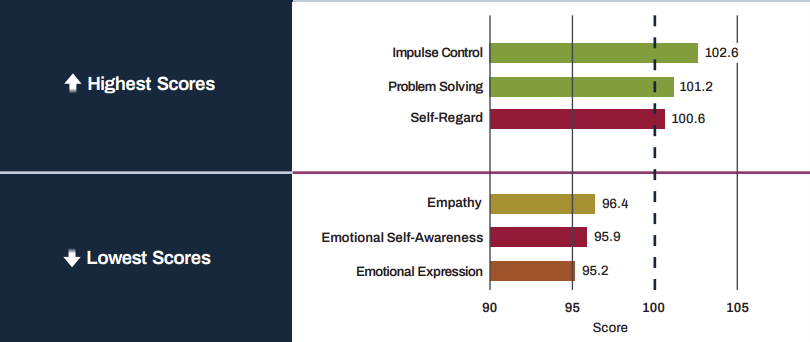
People in the Construction and Engineering industry are highly proficient in Impulse Control (your ability to hold back, delay action), Problem Solving (able to find solutions when emotions are involved) and Self Regard (your level of confidence and comfort with who you are). This suggests they will be thoughtful and considered in their communication and decision making. They are unlikely to be rash or reactive. They will be keen to see the completion of projects and tasks and will be confident in their abilities.
Conversely, the areas of development include Empathy (ability to see things from other’s perspectives and be sensitive to others), Self Awareness (understanding of your own emotions and how they impact on your performance, how you are perceived), and Emotional Expression (constructive expression of emotions, letting people know how you feel).
These results suggest that people in this industry are less likely to express the motivations behind their decisions or have the emotional literacy to explain how they might feel about situations. They may not always know how they are perceived by others or how their emotions may be impacting on their performance and connection with others. They seem less likely to understand the perspectives of others or to change their behaviour to reflect their care and respect for those perspectives.
The impact of this combination of subscales is important to understand. The Construction industry needs to be mindful of workplace safety and the lower Empathy and Emotional Expression results could put them at risk. People may not feel they can speak up when things aren’t compliant or when they feel unsure of how to tackle some of their tasks. The below-average Emotional Self Awareness suggests people in this industry may miss the emotional tone of situations and how their emotions show up for others. This can negatively impact on relationships and performance.
Adding to this is the high Impulse Control where we see people who are self-contained and quite restrained. If a situation requires quick action to address an issue, this may not occur as readily for this industry. The higher Impulse Control also suggests that people may not speak up and could be quite reserved. This can have a negative impact on workplace safety when speaking up is critical.
These subscales give us some insight into the likely workplace behaviour of people in the Construction and Engineering Industry and the implications. Want to find out more about your industry and what you might need to be mindful of? We can help.
Sign up for the Neural Networks Newsletter
Join our mailing list to receive information on leadership, sales, and emotional intelligence.